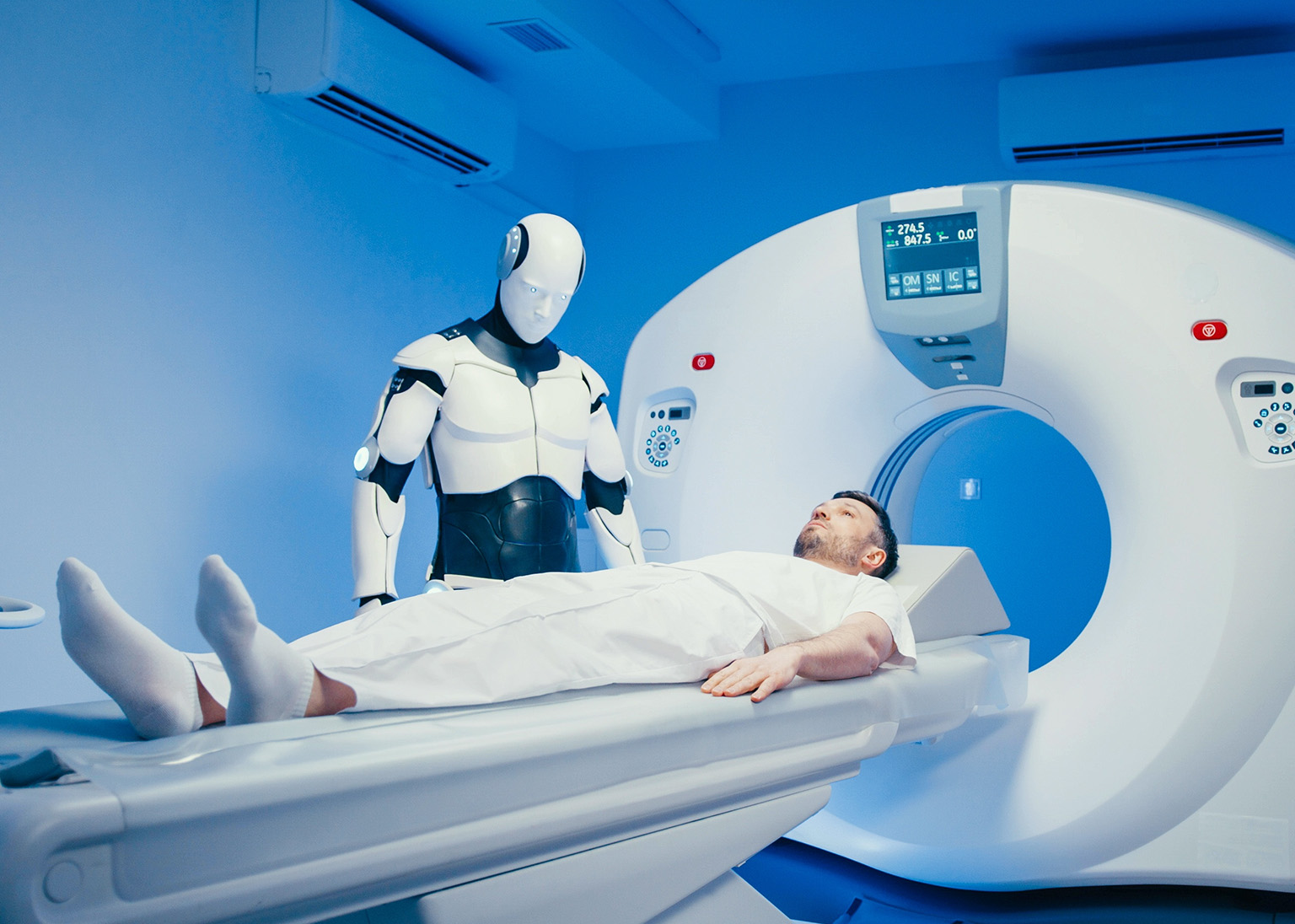
The healthcare sector is experiencing a technological transformation, and at the forefront of this evolution is the rise of robotics in ambulatory (outpatient) care. Once confined to the realm of science fiction, robots are increasingly being integrated into clinics, urgent care centers, and physician offices—reshaping how care is delivered, improving efficiency, and enhancing patient outcomes.
Robots Redefining Ambulatory Care
Ambulatory healthcare—medical services provided on an outpatient basis—has traditionally relied on human staff for diagnosis, treatment, and administrative tasks. However, with the advent of advanced robotics and artificial intelligence (AI), robots are increasingly taking on a role, supporting clinicians and patients alike.
Patient Interaction and Triage
Robots equipped with AI-powered chatbots and touch-screen interfaces now greet patients, collect medical histories, and conduct preliminary symptom assessments. This allows for more streamlined check-ins, reduces waiting times, and frees up clinical staff for more complex tasks. Some robots even guide patients through the facility, ensuring a smooth and stress-free experience.
Diagnostic Support
Robots integrated with diagnostic tools and real-time data analysis can assist clinicians in interpreting test results, identifying anomalies, and recommending next steps. This not only increases accuracy but also helps doctors make timely decisions, especially in high-volume outpatient settings.
Medication Management
Pharmacy robots automate prescription fulfillment and medication dispensing, reducing errors and improving safety. In ambulatory care centers, this technology ensures patients receive the right medications quickly, while pharmacists focus on patient counseling and clinical care.
Remote Monitoring and Virtual Care
Telepresence robots and wearable robotic devices allow for remote monitoring of patients’ vital signs and symptoms. These innovations enable continuous patient care for those with chronic conditions, reducing the need for frequent in-person visits and enabling clinicians to intervene early if issues arise.
Benefits and Challenges
The integration of robotics into ambulatory healthcare brings significant benefits:
- Efficiency: Automation of routine tasks reduces administrative burden and increases throughput.
- Accuracy: Robots minimize human error in diagnostics and medication management.
- Accessibility: Telepresence and mobile robots extend care to underserved or remote populations.
However, challenges remain. Implementing and maintaining robotic systems can be costly. There are concerns about data security, patient privacy, and staff training. Additionally, the human touch in healthcare remains irreplaceable for many aspects of care, particularly those requiring empathy and complex judgment.
The Road Ahead
As robotics technology continues to advance, its role in ambulatory healthcare will only grow. The future may see even more sophisticated robots capable of performing minor procedures, delivering personalized care, and collaborating seamlessly with human clinicians.
The era of robots in ambulatory healthcare is not about replacing healthcare workers but empowering them. By automating repetitive tasks and providing intelligent support, robots are helping to create a more efficient, accurate, and patient-centered healthcare system—one step at a time.